Your bedroom is more than just a place to sleep; it’s your personal sanctuary, a space where you retreat, recharge, and dream. Yet, for many, it falls short of being the tranquil haven it should be. Perhaps you struggle with restless nights, feel a lingering sense of unease, or simply desire a deeper connection to your space. If this resonates with you, then understanding how to feng shui your bedroom is not just an interior design trick, but a profound step towards enhancing your well-being, improving your sleep, and inviting positive energy into your life.
As a seasoned Feng Shui expert, I’ve guided countless individuals in transforming their living spaces, and the bedroom is arguably the most impactful area. It’s where your body and mind are most vulnerable, making the careful cultivation of its energy, or “Chi,” absolutely paramount. This comprehensive guide will walk you through the practical, actionable advice you need to optimize your bedroom’s layout and energy flow, addressing common challenges with clear, expert solutions to help you create a true sanctuary of peace and enhanced vitality.
Understanding the Core Principles of Bedroom Feng Shui
Before we dive into specific placements and decor, let’s grasp the foundational concepts that underpin effective bedroom Feng Shui:
- The Command Position: This is the most crucial principle for bed placement. It means your bed should be positioned so you can see the door without being directly in line with it. This gives you a sense of security and control over your space.
- Gentle Chi Flow: Energy (Chi) should flow smoothly and gently throughout the room. Avoid stagnant areas (clutter) and areas where Chi rushes too quickly (long, narrow hallways leading directly to the bed).
- Yin Energy Dominance: The bedroom is a Yin space, meaning it should be calm, soft, dark, and quiet. It’s for rest, intimacy, and introspection, not for stimulating activities.
Optimizing Your Bed Placement: The Heart of Your Bedroom’s Energy
When learning how to feng shui your bedroom, the position of your bed is by far the most significant factor. Get this right, and you’ve laid a strong foundation for good Chi.
The Ideal Feng Shui Bed Placement
Your bed should always be in the “Command Position.” Here’s what that entails:
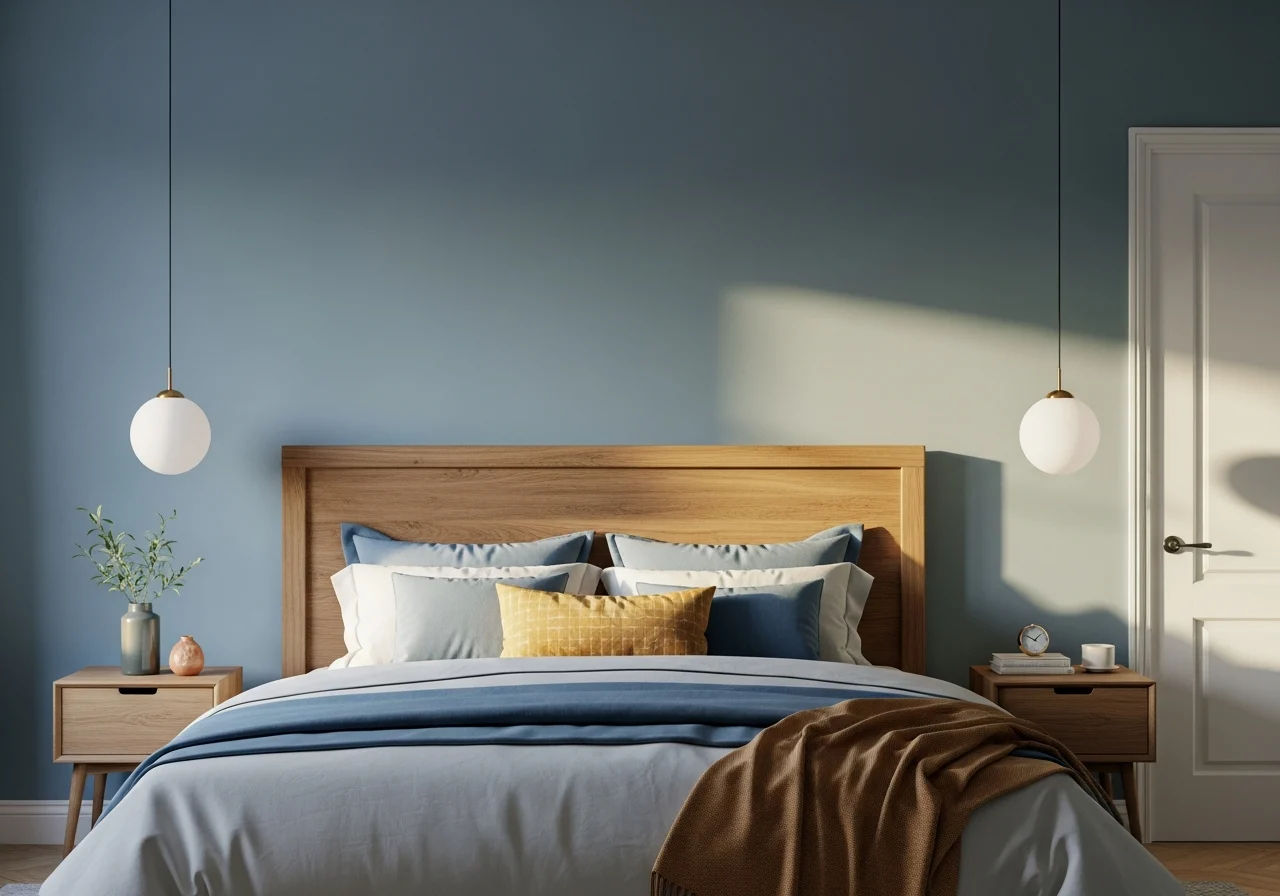
- Solid Wall Support: The headboard of your bed should be against a solid wall, not under a window. A solid wall provides symbolic support and stability in your life, while a window can drain your energy and create a sense of vulnerability.
- Clear View of the Door: From your bed, you should have a clear, unobstructed view of the bedroom door, but you should not be directly in line with it. Being directly opposite the door (the “coffin position”) can drain your energy and is considered inauspicious.
- No Shared Walls with Bathrooms/Kitchens: Ideally, avoid placing your bed against a wall that is shared with a bathroom (especially a toilet) or a kitchen. The active, draining energy of a bathroom or the stimulating energy of a kitchen can disrupt your sleep and well-being.
- Avoid Beams and Sloping Ceilings: Do not place your bed directly under an exposed beam or a sharply sloping ceiling. These create oppressive energy that can lead to headaches, poor sleep, and a feeling of being weighed down.
- Accessibility from Both Sides: For couples, it’s essential to have space and nightstands on both sides of the bed to ensure equality and ease of access, promoting balance in the relationship.
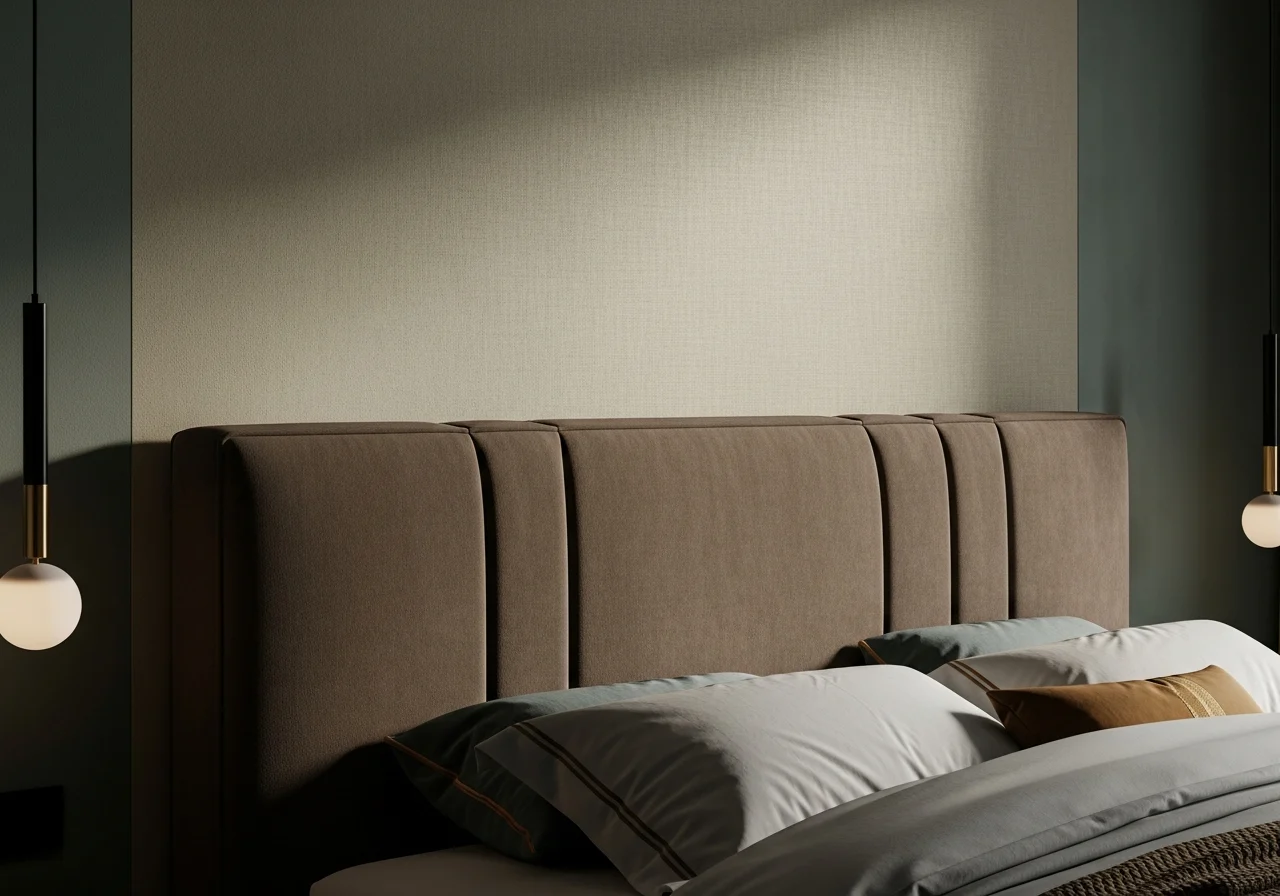
- Solid Headboard: Choose a sturdy, solid headboard made of wood or upholstered material. Avoid metal bars or open-frame headboards, which can create a feeling of being unsupported.
Feng Shui Which Way Should Your Bed Face?
While the Command Position is paramount, many ask, “feng shui which way should your bed face?” The directional aspect is secondary to the Command Position but can offer an added layer of optimization. Generally, there isn’t one universal “best” direction as it can be personalized based on your Kua number (derived from your birth date and gender). However, for a general approach:
- North: Can promote calm and tranquility, good for introspection.
- East: Associated with new beginnings and growth, often good for younger people.
- Southeast: Can foster creativity and abundance.
- Southwest: Traditionally good for relationships and partnerships.
- West: Can encourage joy and children.
Expert Tip: If you can achieve the Command Position, prioritize that over a specific compass direction. If you can do both, even better! But never compromise the Command Position for a direction.
Mirror Facing Bed Feng Shui: A Common Misstep and Its Solutions
One of the most frequently asked questions and common mistakes I encounter is regarding mirrors. The general rule in Feng Shui is clear: mirror facing bed feng shui is highly discouraged.
- Energy Disruption: Mirrors are powerful energy reflectors. When a mirror faces your bed, it can reflect your energy back at you, disrupting your sleep and potentially leading to restlessness or nightmares.
- Inviting Third Parties: Symbolically, a mirror reflecting a couple in bed can be seen as inviting a third party into the relationship.
- Amplifying Worries: If you wake up and see your reflection, it can amplify any worries or anxieties you might be carrying, rather than allowing you to wake up refreshed.
Solutions for Mirrors in the Bedroom:
- Relocate: The best solution is to move the mirror so it doesn’t face the bed. A wall perpendicular to the bed is often a good alternative.
- Inside a Wardrobe: If space is limited, consider a mirror on the inside of a wardrobe door, so it’s only visible when needed.
- Cover at Night: If you absolutely cannot move a mirror, cover it with a cloth before going to sleep.
- Avoid Mirrored Surfaces: Be mindful of other reflective surfaces like highly polished furniture or TV screens directly facing the bed.
Color Palette and Decor: Creating a Soothing Ambiance
The visual elements of your bedroom play a significant role in its energetic quality.
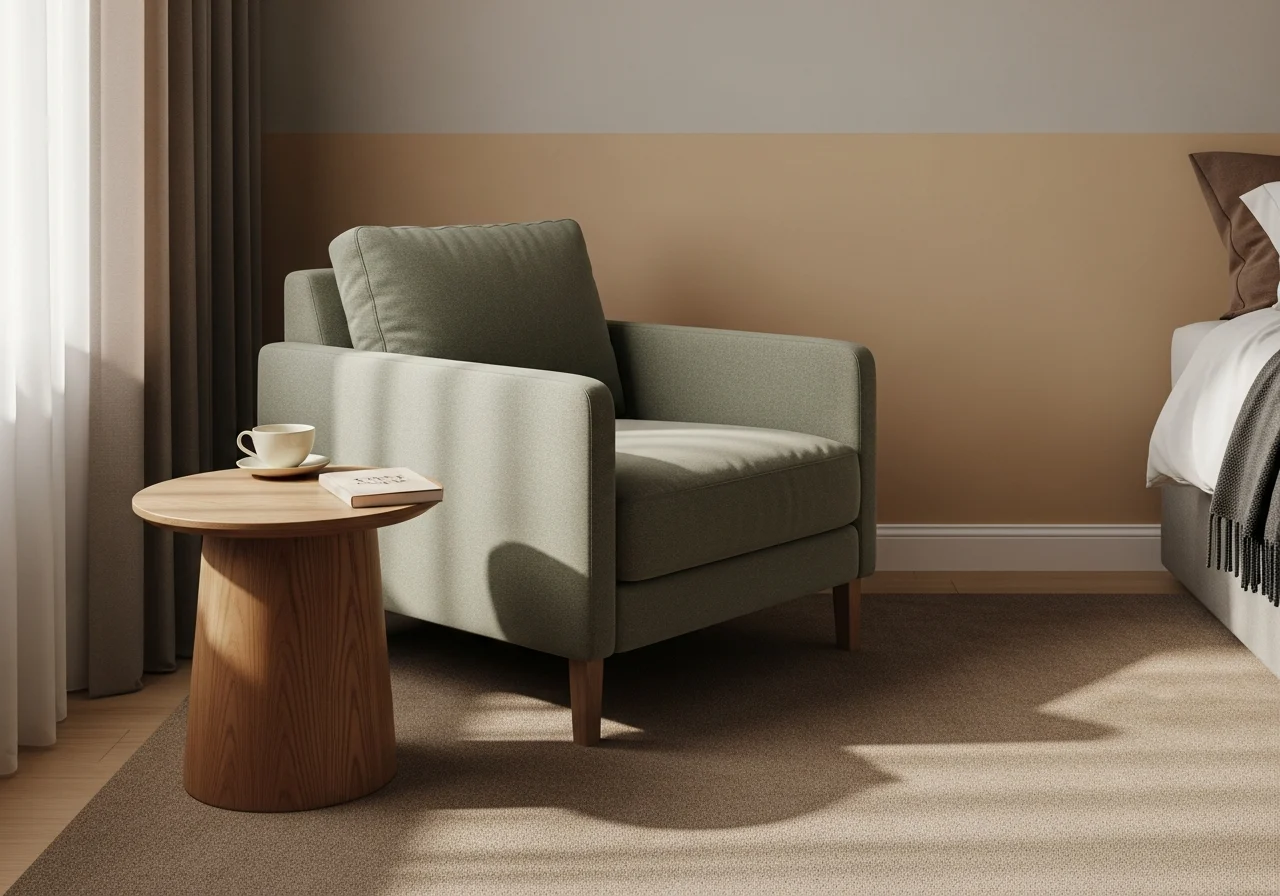
- Soothing Colors: Opt for soft, earthy, and muted tones. Think creams, pastels, gentle blues, greens, and browns. These colors promote calm and relaxation, aligning with the Yin energy of the bedroom. Avoid vibrant reds, oranges, or overly bright yellows, which are too stimulating.
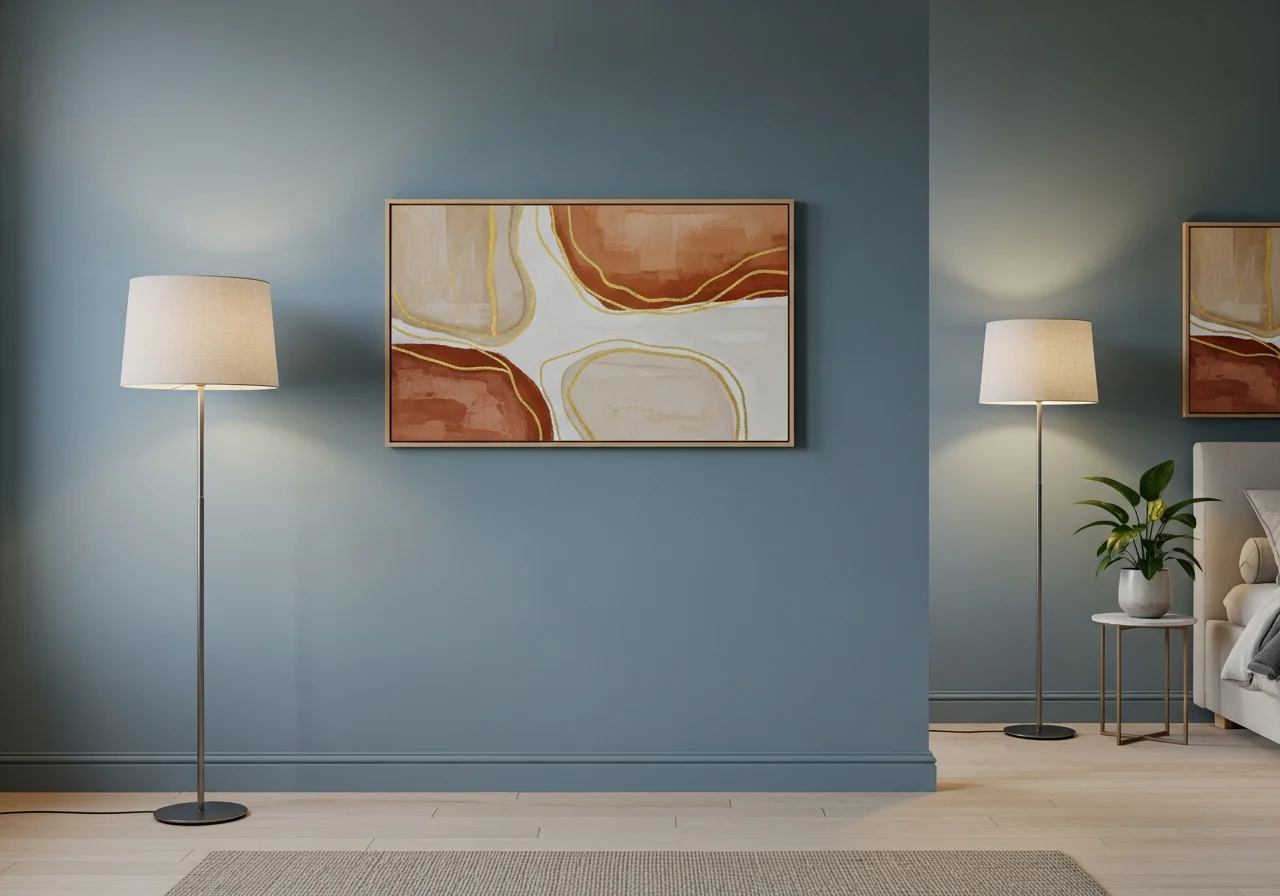
- Art and Imagery: Choose artwork that evokes peace, love, and serenity. Landscapes, abstract art with soft colors, or images of happy couples are excellent choices. Avoid images of solitary figures, aggressive scenes, or anything that suggests sadness or struggle.
- Paired Items: For relationships, emphasize pairs. Two nightstands, two lamps, two matching pillows – this symbolizes partnership and balance.
- Comfortable Bedding: Invest in high-quality, comfortable bedding. Natural fibers like cotton or linen are breathable and feel good against the skin.
Decluttering and Organization: Unblocking Chi
Clutter is stagnant energy (Sha Chi) and is detrimental to good Feng Shui, especially in the bedroom.
- Under the Bed: Keep the space under your bed as clear as possible. If you must store items, choose soft, sleep-related things like extra blankets or seasonal clothing, and keep them neatly organized in closed containers. Avoid storing old letters, work documents, or anything that represents unresolved issues, as this can affect your subconscious while you sleep.
- Clear Pathways: Ensure there are clear pathways around your bed and throughout the room. Obstacles impede the flow of Chi.
- Organized Wardrobes: Keep your closets and drawers tidy. An overflowing closet can create a sense of overwhelm and disorganization in your life.
Electronics and Lighting: Minimizing Disruptions
In our modern world, electronics have a strong presence, but they can be highly disruptive in a Feng Shui bedroom.
- Minimize Electronics: Keep electronics to a minimum. TVs, computers, and exercise equipment introduce active, Yang energy and electromagnetic fields (EMFs) that can interfere with sleep and relaxation. If you must have a TV, cover it when not in use.
- Phones Away from the Bed: Your phone should not be your alarm clock on your nightstand. Place it across the room or, ideally, outside the bedroom entirely.
- Soft, Dimmable Lighting: Use soft, warm lighting. Dimmers are excellent for creating the right ambiance. Incorporate multiple light sources (table lamps, floor lamps) rather than just one harsh overhead light.
Plants and Water Features: Proceed with Caution
While beneficial in other areas of the home, plants and water features require careful consideration in the bedroom.
- Plants: A small, healthy plant can introduce positive Chi and filter air. However, avoid large, spiky, or overly numerous plants. Too much active plant energy can be disruptive. Keep them away from the immediate vicinity of the bed.
- Water Features: Generally, water features (fountains, aquariums) are not recommended in the bedroom. They introduce active, flowing energy that can be too stimulating for a space meant for rest, and symbolically, can lead to financial loss or emotional turbulence in a bedroom context.
Creating a Harmonious Atmosphere: The Finishing Touches
These elements complete your bedroom sanctuary:
- Aromatherapy: Use calming essential oils like lavender, chamomile, or sandalwood in a diffuser to promote relaxation and sleep.
- Air Quality: Ensure good air circulation. Open windows regularly, and consider an air purifier if needed.
- Soft Furnishings: Layer your bed with comfortable blankets, throws, and pillows. Tactile textures add to the sense of comfort and luxury.
- Keep it Clean: A clean room is a happy room. Regular cleaning ensures fresh, vibrant Chi.
Addressing Common Challenges: Expert Solutions for Every Bedroom
Even with the best intentions, some bedrooms present unique challenges. Here are expert solutions:
- Small Bedrooms: Focus on decluttering ruthlessly. Use vertical storage, light colors, and strategically placed mirrors (not facing the bed!) to create an illusion of space. A platform bed with built-in storage can be a good option if used mindfully for soft items.
- Awkward Layouts: If your bed cannot be in the ideal Command Position, aim for the closest approximation. If you can’t see the door, use a small, strategically placed mirror (again, not facing the bed!) to give you a view of the entrance. Use screens or room dividers to create a “solid wall” behind your bed if you’re forced to place it under a window.
- Rental Properties: You might not be able to paint walls or move fixtures. Focus on what you can control: bed placement, decluttering, bedding, lighting, and removing disruptive items. A solid headboard and covering mirrors are easy wins.
Your Path to a Feng Shui Sanctuary
Learning how to feng shui your bedroom is an empowering journey. By applying these principles, you’re not just rearranging furniture; you’re consciously cultivating an environment that supports your health, relationships, and peace of mind. Start with the most impactful changes, like your feng shui bed placement and addressing any mirror facing bed feng shui issues, and gradually work through the other elements. Observe how these shifts positively impact your sleep, mood, and overall sense of well-being.
Your bedroom should be a sacred space that nurtures you from the inside out. With this expert guide, you now have the tools to transform it into the sanctuary you deserve, inviting serenity, deep rest, and vibrant energy into your life every single day.